Chapter 28 of 29
Time to Call It a Day
And now 1986 arrived, the 28th year of my service in the Soviet Army. Under Lena’s persistent pressure I was mentally preparing for discharge. The earlier you leave, the earlier you enter the queue for an apartment. My department head, Vitya Burtsev, tried to persuade me to serve two more years until his own discharge, but Lena protested categorically. She was right. After I left, Gorbachev’s perestroika1 began, with total chaos.
Where should I go after discharge? Naturally I was drawn to my people in Melekess, long ago renamed Dimitrovgrad by the Central Committee of the wisest party, against the population’s will. Lena wanted Cherkasy. We thought, weighed the options, argued only a little, and decided on the city on the Dnieper. The fishing river, quite respectable surrounding forests even by Russian standards, and milder climate tipped the balance.
We sent off the container and said goodbye to friends and fellow officers. It was sad to part forever with the officers of my 12th department—Sasha Ivlev, Vova Sentishchev, Vitya Burtsev… How fair the proverb is: “As the priest, so the parish.” In such a department one could serve and serve. I do not even want to compare it with Shumilkin’s department. That chief was arrogant and petty…
After our leave and farewells, in the first days of November, early in the morning, we left our beloved Mirny in a new Zhiguli with a trailer and a new homemade boat on the roof rack. Lena and I sat in front; little Andryusha took the back seat. Tanya was already studying at the Polytechnic in Petersburg. We had worried for nothing about how Andrei would manage the long journey: everything was wonderful. By then the Arkhangelsk–Vologda road had finally opened, almost completely asphalted. Beautiful! We reached the highway, drove a little on its wonderful asphalt and stopped for the night. The trailer contained everything for comfortable travel, from piles of blankets to a week’s supply of dry firewood and food. Our little man quickly ran around the nearby very old, spreading fir trees and sensibly got a fire going. He had grown up—already in his fifth year, a true northerner.
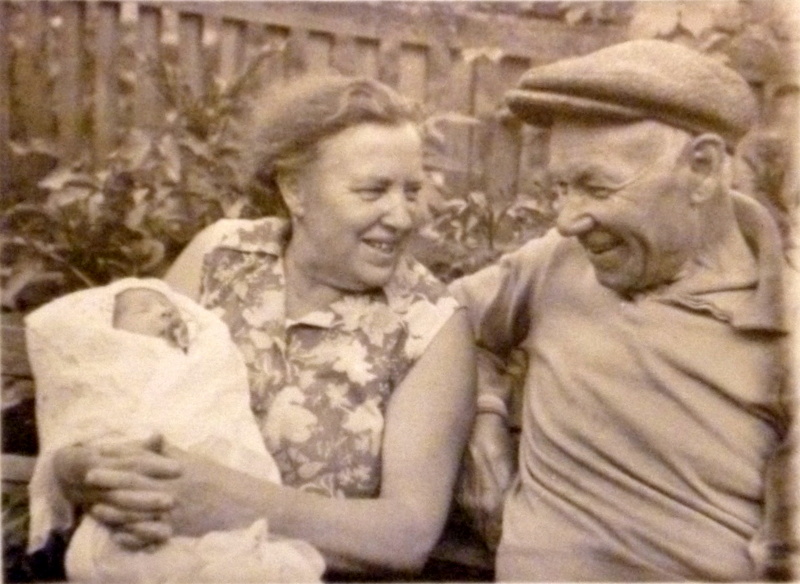
Dimitrovgrad, 1982. Our regiment has been reinforced. Two Andreis.
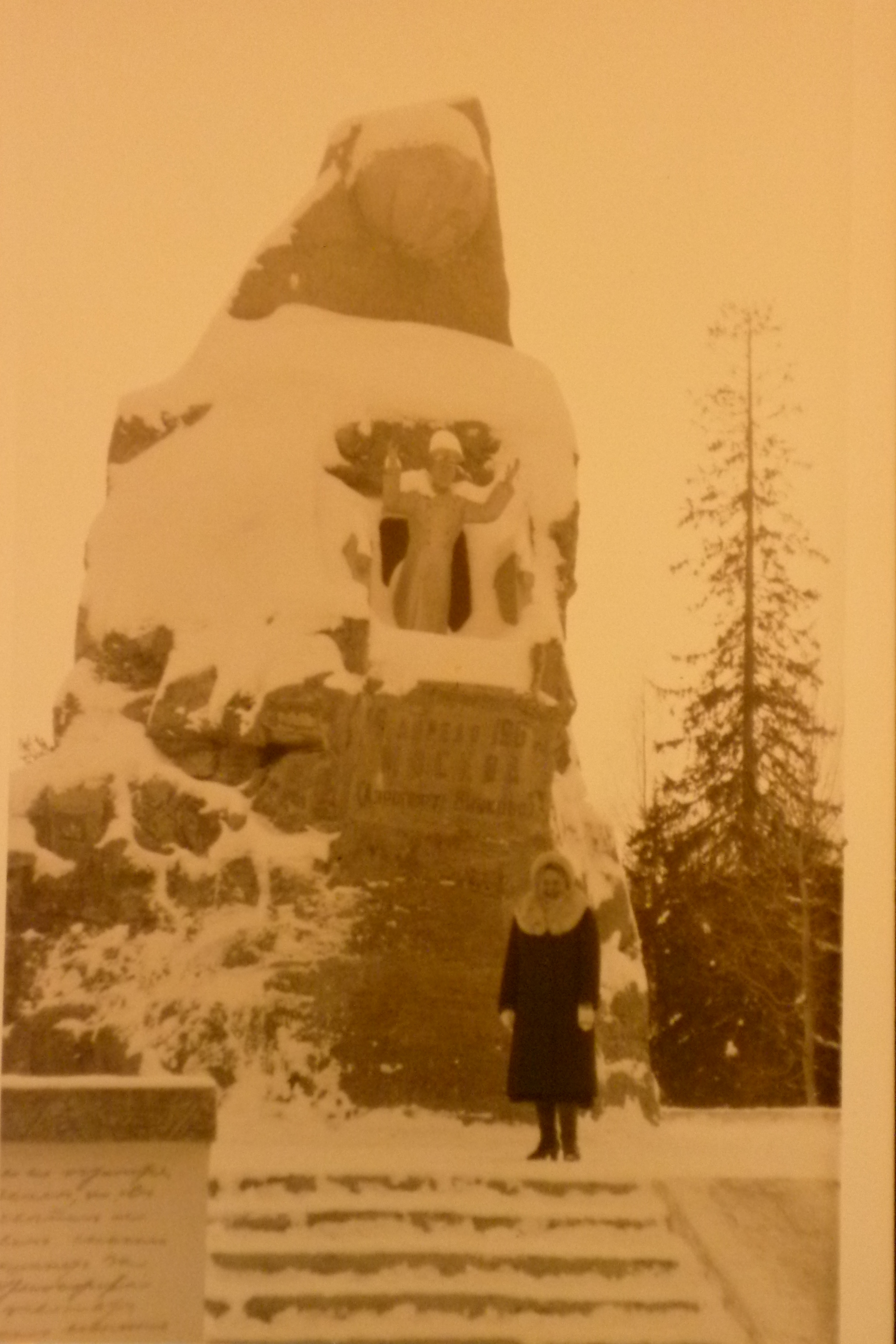
Valya cannot hold back her laughter beside “Prisoner from the Bunker,” a monument to Yuri Gagarin emerging from an aircraft.
Everyone is together.
At Lake Syamg-Lake.
We slept wonderfully. A little morning fire, a primus stove, a magnificent breakfast, and off we went. How wonderful it is to travel without haste! For the first time in my life, without a schedule. A road without potholes, clean verges, settlements that felt like events, and no traffic police. On 7 November we skirted Moscow; then the heaviest snowfall and blizzard began. Why hurry? Sensibly we pulled onto the shoulder and stopped before dark—it was simply dangerous to drive in such visibility. By morning everything had calmed down, and we moved on slowly, looking right and left at what had happened to those who had overtaken us or merely hurried.
The journey from Mirny to Cherkasy took three days and two nights. We arrived from the cold almost into summer; the days were very warm. We stayed with Lena’s parents in the village of Belozerye, then moved to her sister’s place and waited while our house in Cherkasy was built. At the beginning of 88 we moved into house No. 1, apartment No. 140 on Marshal Konev Street. We still live there, always ready to welcome old friends.
[Appendix >>]
Footnotes
-
M. S. Gorbachev, born 1931. Immediately after university he “worked” in the propaganda department of the Stavropol Komsomol committee. He swept his tail so effectively that he quickly made a party career and firmly settled in the Central Committee. In March 1985 he became General Secretary of the CPSU Central Committee, and on 15 March 1990 was elected President of the USSR. Whatever he took up, whatever “initiatives” he proposed, everything ended in failure, economic disorder and rising prices. He created debts that took 15 years to repay. The country’s gold reserve fell tenfold, from more than 2000 tonnes to 200. Clinging to power and the party, he ruined the Union disgracefully and incompetently. A windbag. He lied so extravagantly that at a seminar at an American university in Turkey he claimed that he and his wife had been secret anti-communists and that he had joined the CPSU to destroy the Soviet system.
↩